Honey vs Sugar: Is Honey Actually Healthier? (The Honest Answer)
The question sounds simple. Honey or sugar, which one is better for you? You have probably already heard that honey is the healthier choice. But the real answer is a bit more nuanced than that, and understanding the difference properly will actually change how you buy and use honey.
Here is the honest breakdown.
They Are Both Sweeteners, But They Are Not the Same Thing
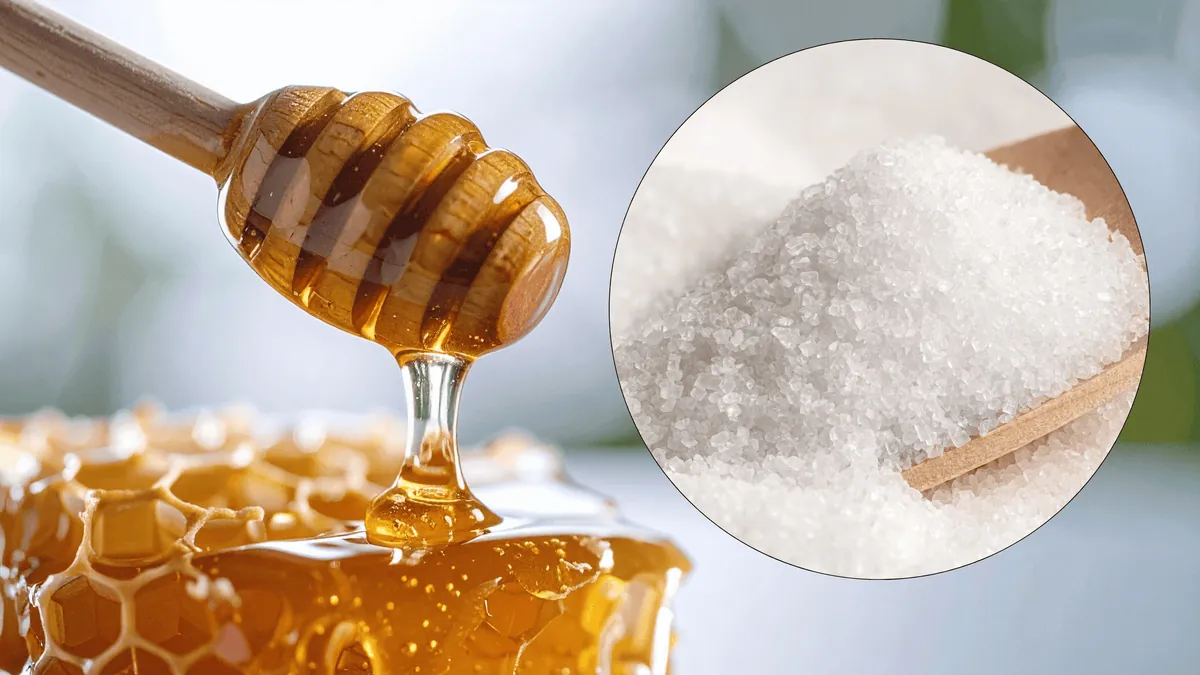
White sugar is pure sucrose, a single molecule made of one glucose and one fructose stuck together. That is it. When you eat it, your digestive system breaks it apart and your blood absorbs the glucose fast. There are no vitamins, no minerals, no enzymes, no antioxidants. Just energy.
Raw honey is a completely different story. Yes, it contains glucose and fructose, roughly 70% of its weight is sugar. But the other 30% is where things get interesting. Raw honey contains enzymes, antioxidants, pollen, amino acids, trace minerals, and over 180 identified compounds that came from the flowers and plants the bees visited. A review published in Molecules confirmed that the flavonoids and phenolic acids in honey, plant-derived antioxidants, are bioavailable and genuinely increase antioxidant activity in the blood after consumption.
Sugar has none of that. It is literally empty calories. Honey is not.
That said, and this is the important part, a lot of the honey sold in stores has been pasteurized and ultra-filtered, which removes much of what makes raw honey different. If you are comparing pasteurized supermarket honey to white sugar, the gap between them is much smaller than people think. This is why the type of honey matters enormously in this comparison.
The Blood Sugar Question
One of the most common claims about honey is that it has a lower glycemic index than sugar, meaning it raises your blood sugar more slowly. This is true, but with some important context.
White sugar has a glycemic index of around 65. Honey typically comes in at around 55 to 60, depending on the variety and how much fructose it contains relative to glucose. The reason honey sits lower is because fructose is absorbed more slowly than glucose and does not spike insulin in the same way.
A clinical study published in Diabetic Medicine tested honey, sucrose, and pure glucose in both healthy volunteers and people with diabetes and found that honey produced a measurably lower blood glucose response than sucrose in both groups. The difference was statistically significant.
Here is the honest caveat though: the difference is real but not dramatic. Honey is not a low-glycemic food. It still raises your blood sugar. If you have type 2 diabetes, swapping sugar for honey is not a free pass to eat more sweetener, both affect your blood glucose and both need to be moderated. The advantage of honey is that it raises it a little less and delivers actual nutritional compounds alongside the sugar. That is a meaningful difference, but it is not a magic bullet.
What Raw Honey Has That Sugar Never Will
This is where the comparison gets genuinely one-sided, in honey's favour.
Antioxidants
Raw honey contains antioxidants that come directly from the flowers bees visit, the same compounds found in fruits and vegetables that we are told to eat more of. Research published in Antioxidants journal confirmed that the phenolic content of honey varies significantly by floral source, with darker varieties like buckwheat having the highest concentrations. Wildflower honey sits in the middle of the range because it draws from many different plant species.
White sugar has zero antioxidants. None. Ever.
Antimicrobial properties
As we covered in our post on honey for sore throats, raw honey produces hydrogen peroxide through a natural enzyme process that gives it genuine antibacterial activity. This is why it has been used medicinally for thousands of years and why modern research backs that use up. Sugar not only lacks this property, it actively feeds the bacteria you are trying to fight.
Digestive support
Raw honey acts as a prebiotic, meaning it feeds the beneficial bacteria in your gut rather than harmful ones. The natural compounds in honey, including small amounts of oligosaccharides, support the growth of Lactobacillus and Bifidobacterium, the good bacteria that keep your digestive system functioning well. Sugar has the opposite effect when consumed in excess, feeding harmful bacteria and contributing to gut dysbiosis.
It is sweeter, so you use less
This is a practical point worth mentioning. Because honey is sweeter than sugar by volume, partly because of how quickly the fructose hits your taste buds, most recipes that call for one cup of sugar only need about two-thirds of a cup of honey to achieve the same sweetness level. So even though honey has slightly more calories per spoonful, you often end up using less of it overall.
The Calorie Reality
One teaspoon of white sugar: about 16 calories.
One teaspoon of honey: about 21 calories.
Honey has more calories per teaspoon. This is worth knowing, especially if you are counting calories. The reason is that honey contains more carbohydrates per unit volume because it is denser and also contains water. You often use less honey than sugar to achieve the same sweetness level, which partially offsets this difference in practice.
But calories are not the whole story. Twenty-one calories of honey comes with antioxidants, enzymes, and trace minerals. Sixteen calories of sugar comes with nothing. The caloric difference is small; the nutritional difference is significant.
Honey vs Sugar: A Side-by-Side
| Category | White Sugar | Raw Honey |
|---|---|---|
| Glycemic index | ~65 | ~55-60 (varies by variety) |
| Calories per tsp | ~16 | ~21 |
| Antioxidants | None | Yes, from floral sources |
| Antimicrobial | No | Yes, if raw and unpasteurized |
| Enzymes | None | Yes, if raw and unpasteurized |
| Gut bacteria | Feeds harmful bacteria in excess | Prebiotic, feeds beneficial bacteria |
| Sweetness | Standard | Sweeter, use less |
| Processing | Heavily refined | Minimal (if raw) |
The Part Most Articles Leave Out: It Has to Be Raw
Every advantage in that table above applies specifically to raw, unpasteurized honey. Not to the golden, perfectly clear, smooth honey that fills most supermarket shelves.
When honey is pasteurized at commercial temperatures, the enzymes are destroyed. The antioxidant activity drops. The antimicrobial properties diminish. What you are left with is essentially a natural-origin sweetener that is closer to sugar than people realize, still slightly lower on the glycemic index, still tastier, but missing most of what makes raw honey genuinely valuable.
This is the most important thing to understand about the honey vs sugar debate. The comparison only holds up strongly if you are talking about raw, unpasteurized honey. Buying the big commercial jar because "honey is healthier than sugar" and then getting pasteurized filtered honey is a bit like buying orange-flavoured drink instead of actual orange juice because "fruit is healthy."
If you are not sure what to look for on a label, our guide on how to read honey labels covers exactly what the different terms mean and what to watch out for.
How to Actually Make the Switch
If you want to replace sugar with honey in your daily routine, here is what works practically:
In drinks
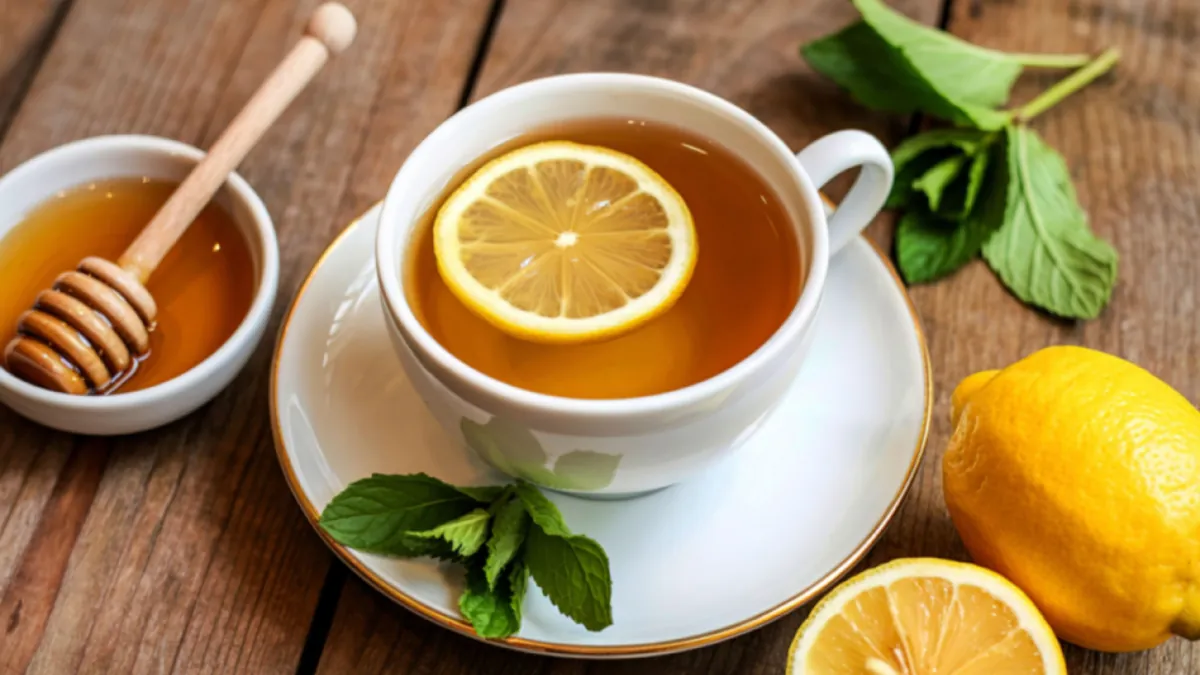
Add honey to warm (not hot) drinks after they have cooled slightly. Heat above 40 degrees Celsius starts to degrade the active compounds. For cold drinks like smoothies, honey mixes in easily and delivers the full benefit.
In baking
Use about two-thirds of a cup of honey for every cup of sugar a recipe calls for, and reduce other liquids by about a quarter cup to compensate for honey's moisture content. Also lower your oven temperature by about 10 to 15 degrees, as honey browns faster than sugar.
On food
Drizzle on yogurt, oatmeal, or cheese. Stir into salad dressings. Use as a glaze for roasted vegetables or meat. The flavour complexity of raw honey, especially wildflower varieties with their mix of floral notes, adds something to food that plain sugar simply cannot.
As a straight swap
Replace the spoonful of sugar you add to your coffee or tea with half a spoonful of raw honey. Over the course of a week, if you normally use sugar daily, that simple swap means consistently choosing a food with genuine nutritional value over one with none.
The Bottom Line
Is honey healthier than sugar? Yes, but only if it is raw and unpasteurized, and only if you treat it as a replacement rather than an addition. Using raw honey instead of sugar means choosing a sweetener that comes with antioxidants, enzymes, and antimicrobial properties alongside the sweetness. Using it on top of your existing sugar intake does not make your diet healthier.
The comparison is not even close when you put raw honey against white sugar. It is more interesting when you put pasteurized supermarket honey against white sugar, the gap is smaller than people assume.
Buy raw. Use it as a replacement. That is the whole answer.
Our Quebec raw wildflower honey is cold-extracted from our own hives in Laval, never pasteurized, and contains the full spectrum of antioxidants, enzymes, and active compounds from the diverse flowering plants our bees visit across the season. Browse our full honey collection or check our FAQ page if you have questions about how it is made.
Ready to make the switch? Shop our raw Quebec honey here.